From Cornea Jokes to Clear Vision: Why April Is the Perfect Time to Get Your Eyes Checked
I’ll admit—I started out brainstorming April Fool’s jokes for this month. But they kept getting a little too cornea… and honestly, your eye health is no joke.
That’s why April is also recognized as National Get Your Eyes Checked Month, and it’s the perfect reminder to prioritize something we often take for granted—our vision.
Vision Changes Can Happen Without You Noticing

One of the most common things I hear from patients is, “I didn’t realize my vision had gotten worse.”
The truth is, vision changes are often gradual and subtle. Your brain is incredibly adaptive—it learns to compensate for small changes in clarity, which can make it difficult to notice that something is off. Over time, these small changes add up. You may find yourself squinting at road signs, increasing screen brightness, holding your phone closer (or farther), or experiencing frequent headaches—especially at the end of the day.
Night driving becoming more difficult or lights appearing more glaring can also be early signs that your vision needs attention.
A routine eye exam helps catch these changes early, ensuring your prescription stays accurate and your vision remains clear, comfortable, and reliable in your day-to-day life.
Eye Exams Can Detect More Than Just Vision Problems
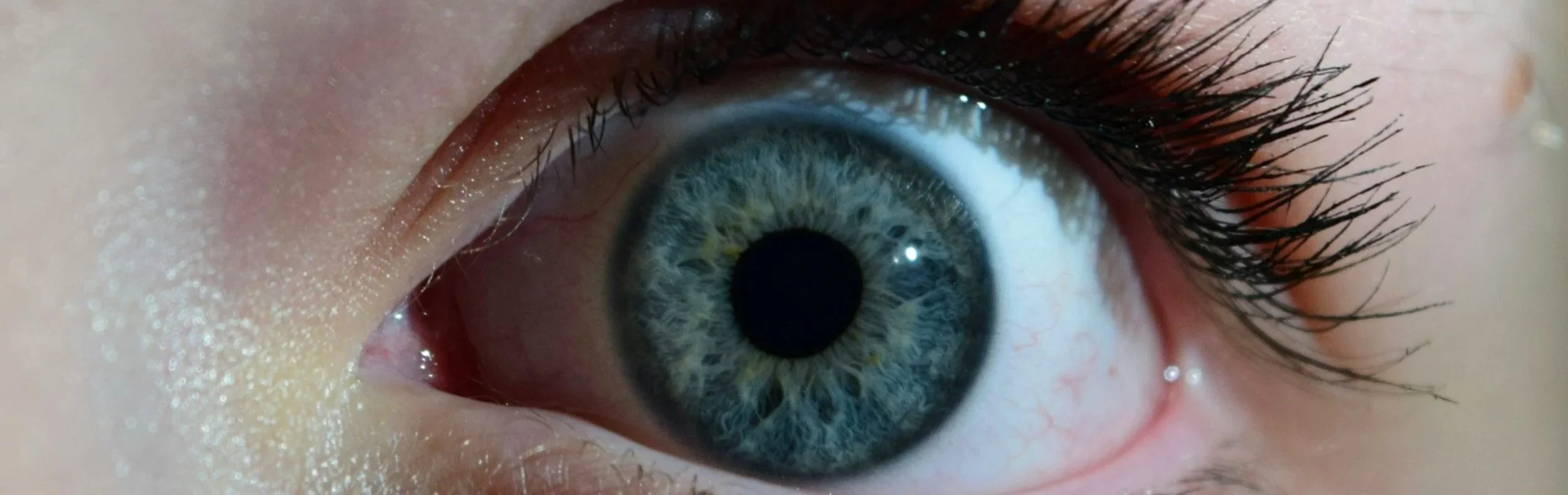
A comprehensive eye exam isn’t just about seeing better—it’s about protecting your overall health.
During an exam, we evaluate not only how well you see but also the health of your eyes inside and out. Many eye conditions—such as glaucoma, cataracts, and macular degeneration—develop slowly and without noticeable symptoms in the early stages. By the time vision is affected, the condition may already be more advanced.
Beyond eye conditions, your eyes can also reveal signs of systemic health issues. Changes in the blood vessels, retina, and optic nerve can indicate conditions like diabetes, high blood pressure, and even high cholesterol.
Early detection through a routine eye exam can lead to earlier treatment, better outcomes, and in some cases, prevention of serious complications.
Our Digital Lifestyle Is Taking a Toll

Let’s face it—screen time is now a major part of our daily lives.
Whether it’s for work, school, or leisure, we spend hours each day on phones, computers, and tablets. While these devices are essential, they can place significant strain on our eyes. Many people experience digital eye strain, which can include symptoms like dryness, blurred or fluctuating vision, headaches, eye fatigue, and even neck and shoulder discomfort.
One of the main reasons for this is reduced blinking when using screens, which leads to faster tear evaporation and dry eyes. Poor posture and prolonged focus at a fixed distance also contribute to discomfort.
An eye exam can help address these concerns by ensuring your prescription is optimized for screen use, recommending proper ergonomics, and providing solutions such as lubricating eye drops or blue light management strategies to keep your eyes comfortable throughout the day.
Children’s Vision Plays a Critical Role in Learning
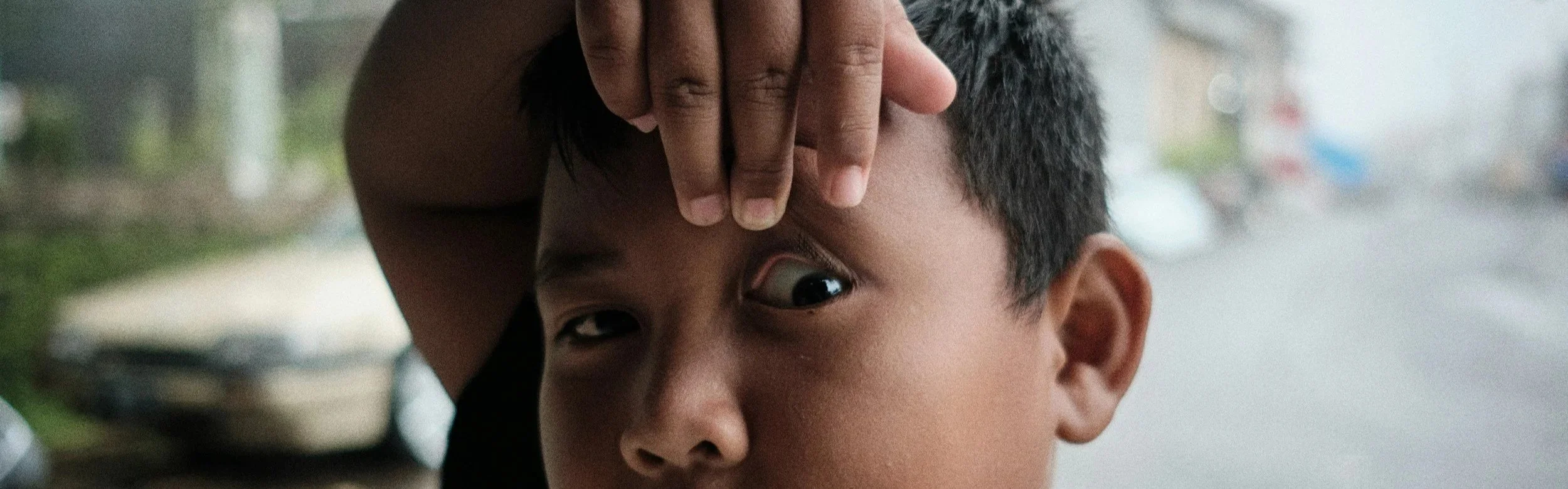
Clear vision is essential for a child’s development, especially in school—but many children don’t realize when their vision isn’t normal.
In fact, children often assume that what they see is how everyone else sees. As a result, vision problems can go unnoticed and may show up as difficulty reading, lack of focus, short attention span, or even behavioral concerns in the classroom.
Undiagnosed vision issues can affect academic performance, confidence, and participation in both school and daily activities.
Regular eye exams ensure that children are seeing clearly and comfortably. Early detection and correction of vision problems can make a significant difference in their ability to learn, engage, and succeed.
Prevention Is Always Better Than Treatment
Many eye conditions develop quietly, without pain or obvious warning signs.
Conditions like glaucoma, diabetic eye disease, and macular degeneration can progress slowly over time, often going unnoticed until vision loss has already occurred. Unfortunately, some types of vision loss are irreversible—but they are often manageable if caught early.
Routine eye exams allow us to monitor your eye health over time, detect subtle changes, and intervene before problems become more serious.
Prevention isn’t just about avoiding disease—it’s about maintaining quality of life. Protecting your vision today helps ensure you can continue to do the things you love tomorrow.