A Virus From Seafood Is Now Linked to a Chronic Eye Disease in Humans
A virus once believed to infect only marine animals like shrimp and fish is now being linked to a chronic eye disease in humans, according to a recent study published in Nature Microbiology.
This emerging condition—called persistent ocular hypertensive viral anterior uveitis (POH-VAU)—has been increasingly reported in China, raising concerns among researchers and eye care professionals worldwide.
What Is POH-VAU?
POH-VAU is a serious eye condition characterized by:
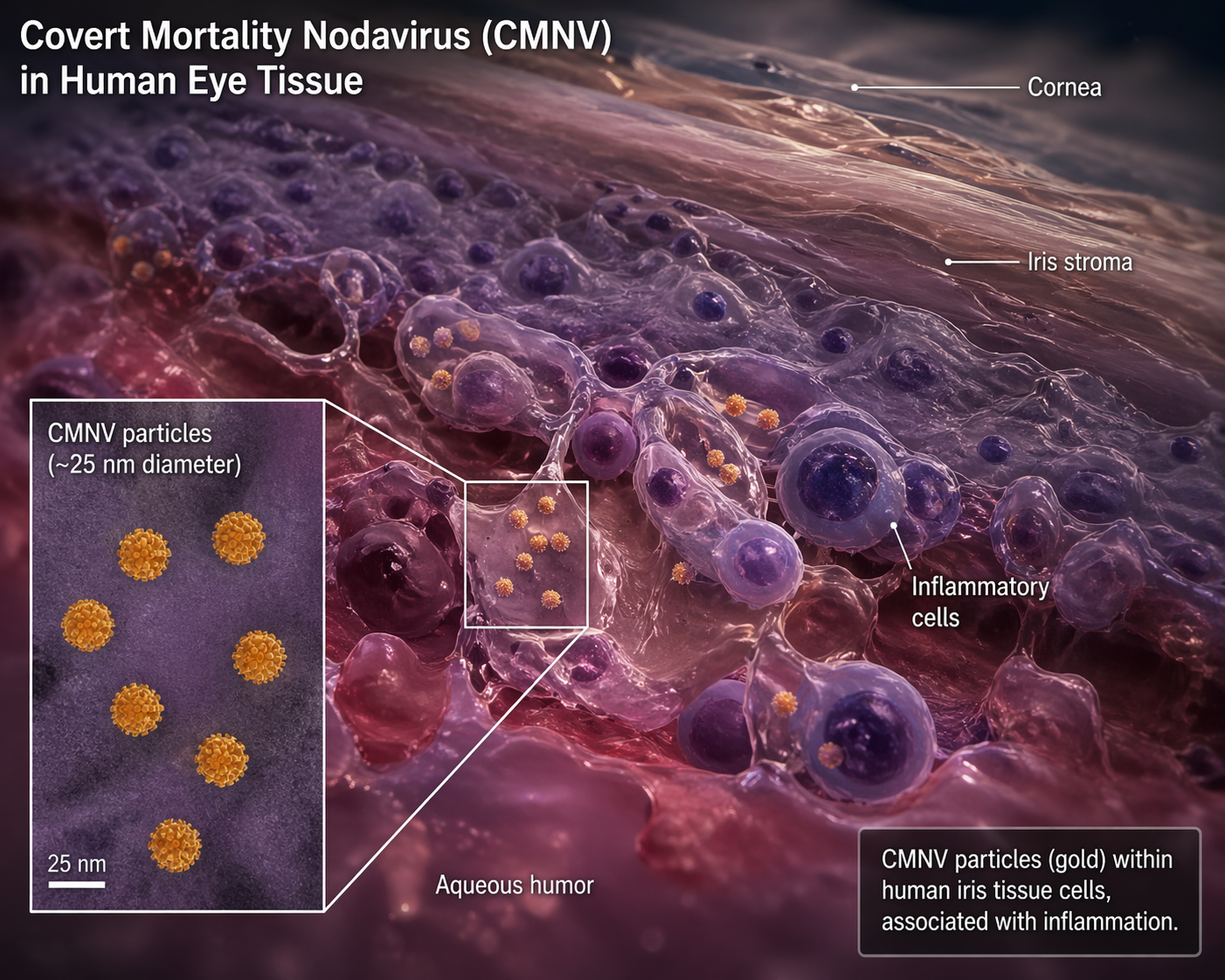
Extremely high eye pressure (ocular hypertension)
Inflammation inside the eye (uveitis)
Potential damage to eye structures
Risk of permanent vision loss if untreated
The condition has puzzled doctors for years because patients consistently tested negative for common viral causes such as herpes or shingles.
The Suspected Cause: A Seafood Virus
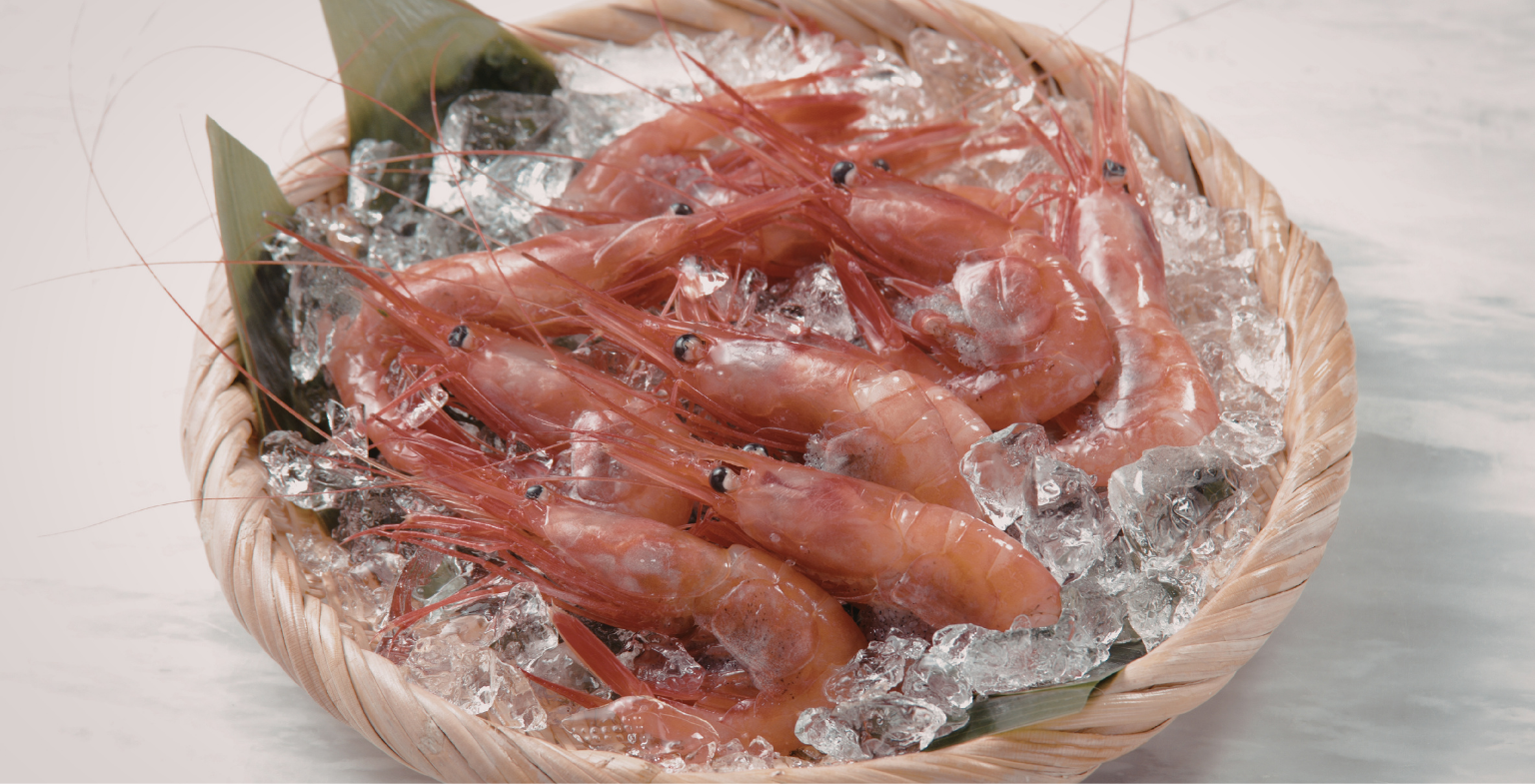
Researchers began to suspect Covert Mortality Nodavirus (CMNV)—a virus first identified in shrimp farms in 2014.
To investigate, scientists studied 70 patients diagnosed with POH-VAU between 2022 and 2025.
Here’s what they found:
Viral particles were detected in eye tissue using electron microscopy
No similar particles were found in healthy individuals
Genetic sequencing showed a 98.96% match to CMNV found in aquatic animals
Specialized antibodies confirmed the virus’s identity
These findings provide strong evidence that CMNV is not just present—but likely causing the disease.
Confirming the Link
To further validate their findings, researchers conducted laboratory and animal studies.
When mice were infected with CMNV, they developed the same symptoms seen in humans, including:
Elevated eye pressure
Inflammation
Damage to eye structures
This strengthens the conclusion that CMNV is directly involved in the disease process—not just a coincidental finding.
How Are People Getting Infected?
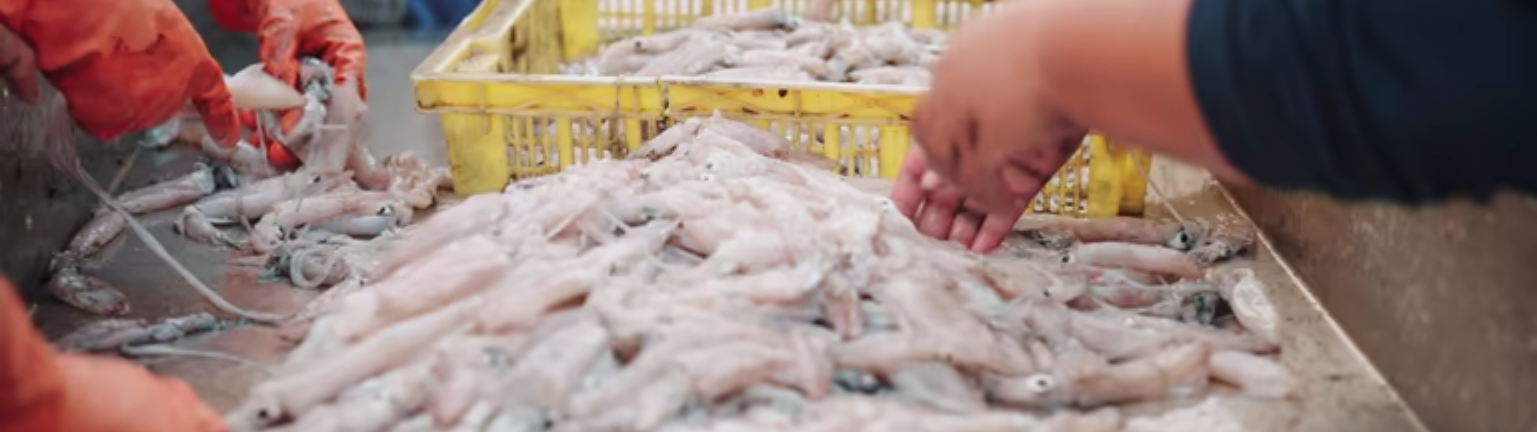
The study identified key risk factors based on patient interviews:
Handling raw seafood without protection
Eating raw or undercooked aquatic animals
In fact, nearly three-quarters of patients reported these types of exposures.
This suggests that direct contact with contaminated seafood or environments is the primary route of transmission.
A Potential Global Concern
While most reported cases are currently in China, the risk may not be limited to one region.
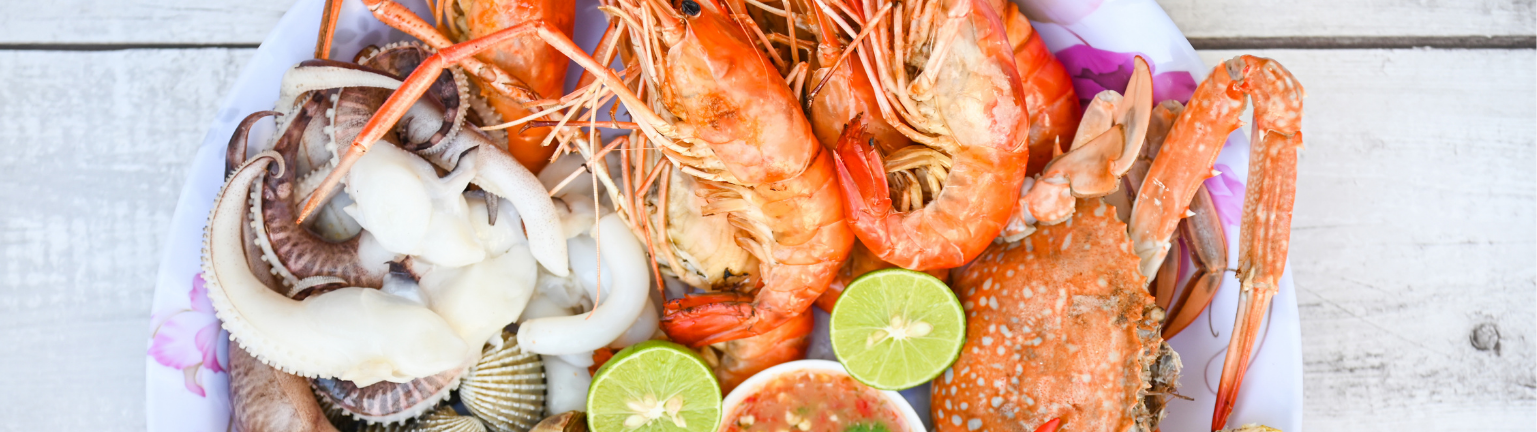
Researchers found CMNV in 49 different aquatic species worldwide, including:
Fish
Shrimp
Crabs
Mollusks
The virus has been detected across:
Asia
Africa
Europe
The Americas
Even Antarctica
This widespread presence raises concerns about global exposure through seafood handling and consumption.
What This Means for Eye Health
This study marks the first documented case of a virus from aquatic animals being linked to a specific human eye disease.
While more research is needed to fully understand transmission and prevalence, the findings highlight an important takeaway:
Everyday activities like handling or consuming seafood may carry previously unrecognized health risks.
How to Protect Yourself
Simple precautions can help reduce your risk:
Wear gloves when handling raw seafood
Avoid touching your eyes أثناء food preparation
Ensure seafood is properly cooked
Practice good hand hygiene
Seek immediate eye care if you experience:
Eye pain
Blurred vision
Redness
Sensitivity to light
Final Thoughts
The discovery of CMNV as a potential human pathogen underscores how diseases can cross species barriers in unexpected ways.
For both healthcare providers and the public, staying informed and practicing preventive measures is key to protecting long-term eye health.